



Share


Search

result
Helping Food Feel Normal Again for Families Managing Food Allergies
Helping Food Feel Normal Again for Families Managing Food Allergies
This Registered Dietician Nutritionist is empowering patients with food allergies and ensuring all their nutritional needs are met
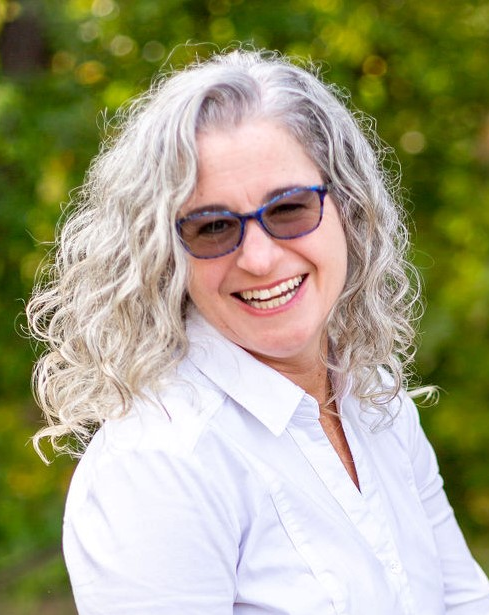
Lisa H. Cooperman, RDN
For years, Lisa H. Cooperman, RDN, explored different corners of nutrition science searching for the right fit. She found it unexpectedly in the high-stakes, deeply personal world of food allergy care. “For many years I explored various areas of nutrition, but most felt like just a job rather than a true passion,” she said. “I worked with individuals managing chronic disease, often emphasizing structured meal planning, lifestyle modification and long-term risk reduction. While the work was clinically important, I was still searching for an area that felt more personally meaningful.”
Everything changed in 2018, when she took a position as a dietitian at a specialty sleep-away camp. “When I began the role, I had limited knowledge of food allergy management. It was a 'trial by fire,' requiring me to work across food service management, clinical nutrition and patient and family-centered care simultaneously,” she said.
Though the work was overwhelming at first, it was also deeply gratifying. “One of my favorite success stories is developing an allergen-safe cookie recipe that all the children could enjoy. Many campers had never had a simple chocolate chip cookie and it quickly became a much-anticipated staple at camp!”
Everyday Ms. Cooperman reviewed and prepared menus for allergen safety, verified ingredients with distributors and assessed risks for hidden allergens or cross-contact, while also interpreting allergy histories and collaborating with medical staff to align individualized dietary plans with clinical needs. “I also supported families by reassuring parents and reducing campers’ anxiety through structured, predictable and safe dining environments,” she said.
Her youngest daughter was born with food allergies, and that experience had a big impact on how she approached working with patients and families in this space. “It gave me a deeper, more personal understanding of what it feels like to navigate food allergies not just clinically, but in everyday life. It really strengthened my empathy and shaped the way I approach patient care,” she said.

Her experience working at the camp highlighted the lack of formal resources and professional support for RDNs in the food allergy space, which motivated her to pursue further education in the field. “It ultimately became the catalyst for my decision to focus on food allergy full time,” she said. “What initially felt like being 'thrown into the deep end' gradually became a meaningful area of practice for me that combined clinical nutrition, food service operations, risk management and personal patient care all at once. Unlike other areas of nutrition I had explored, food allergy care demanded constant vigilance, creativity and communication, while also offering immediate and visible impacts on quality of life. That, plus gaps in formal training and professional support for RDNs in this space, made the work feel both challenging and meaningful in equal measure.”
She now works with food allergy patients full-time, with a focus on translating medical allergy guidance into safe, practical and sustainable daily eating. “This includes ensuring complete allergen avoidance while also maintaining nutritional adequacy, supporting growth and development when working with children, and helping patients and families feel confident navigating food in real-world settings,” she said. “We build structure and clarity in what can otherwise feel like an overwhelming space.”
Her work differs from physicians and nurses’ in both scope and focus. “As a food allergy RDN, my focus is specifically on the nutritional and behavioral application of a food allergy diagnosis. I take clinical allergy information and translate it into day-to-day eating plans, ensuring dietary restrictions do not lead to nutritional deficiencies or overly restrictive diets,” she said.
Ms. Cooperman has had a rewarding career working with many conditions across a wide variety of settings but feels she’s finally found her niche. “It’s so gratifying to see the impact thoughtful nutrition planning has on a food allergy patient’s sense of safety and quality of life,” she said. “I love watching families move from fear to confidence and independence. As they learn to understand labels, identify safe foods and navigate eating in social settings, their ability to fully participate in daily life improves significantly. Over time, meals become less stressful and food begins to feel normal again.”