



Share


Search

result
Stokes Peebles Jr., MD, FAAAAI, Offers Advice on Pursuing a Career in Research
Stokes Peebles Jr., MD, FAAAAI, Offers Advice on Pursuing a Career in Research
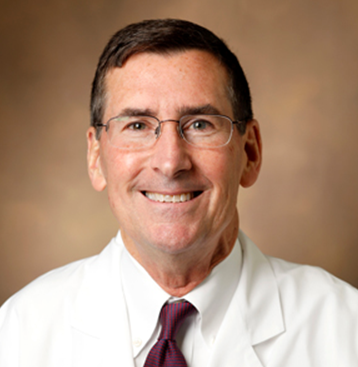
Stokes Peebles Jr., MD, FAAAAI
A career in medical research is often defined by uncertainty—but for Stokes Peebles Jr., MD, FAAAAI, the thrill of discovery has made every challenge worthwhile. After more than 25 years in research, he still finds motivation in uncovering new knowledge and advancing the field of medicine.
“The exhilaration of discovering new things that no one else knows leaves you on cloud nine,” Dr. Peebles said. “That feeling puts me on top of the world, and I’m grateful to have a career that grants me that feeling regularly.”
The Influence of Strong Mentors
The Influence of Strong Mentors
Dr. Peebles did not initially intend to go into research as he began his career. It was the enthusiasm of his mentor at Johns Hopkins University, Alkis Togias, MD, FAAAAI, that started him down the path of research. “Every day I came to work and my mentor was so excited about research. It was contagious,” Dr. Peebles said. “He stressed the importance of new discoveries in medicine, which is really what got me interested in research.”
Making the decision to pursue a career in research wasn’t necessarily easy. “In my early years, I questioned my capability to do it,” Dr. Peebles said. “Research is so competitive. But my mentor encouraged me to write a grant proposal for the American Lung Association when I was a fellow, and I got it, which was a great boost to morale. Later, at Vanderbilt, I tried for a K08 award and got that. After those two successes I started to believe I had the talent to really pursue research.”
Dr. Peebles went on to paraphrase some advice he received from a former Chairman at the Department of Medicine at Vanderbilt. “Research is like fishing. If you get no bites, you won’t go fishing again. But even a small fish – or grant in this case – can encourage you to keep going. That was the case for me, and I’ve been continuously NIH-funded for 28 years now.”
Paying it Forward
Paying it Forward
When asked how early-career investigators can keep momentum during their careers, he pointed to fear as being a key motivator. “A career in research is very competitive, and without funding your lab will close,” he said. “You really need to be in the top 10% to get reliable funding, so you need to work hard. Read a lot. Find colleagues you can rely on. Always keep learning new things and apply what you learn to your new projects and grant writing to keep yourself ahead of the competition.”
It's also important to move quickly if you make a groundbreaking discovery. “It’s fun to know something no one else in the world knows but remember that someone else could be doing something similar,” Dr. Peebles said. “When you have something novel, write your papers and grant proposals quickly. Often the best work may get in right before someone else submits something similar. For any novel research you complete, be fearful that someone else is doing it and accelerate your pace so you are the first to publish or write a grant for it.”
Sometimes your research won’t give you the results you want or expect. In that case, it’s important to be able to adjust. “Be flexible. Be open to new ideas. Some of my biggest discoveries came from unexpected results that forced me to pivot,” Dr. Peebles said.
Dr. Peebles acknowledged that there is a lot of uncertainty in the medical research field at the moment but urged early-career investigators to stick with it if they are passionate about a career in research. “Don’t be discouraged. The current administration has made research funding difficult but I don’t think it will be like this forever. We are going to lose talented investigators who let that discouragement win, so don’t let that happen to you! Work hard and in the next several years you will be rewarded for your perseverance.”
More Advice and Resources for Pursuing a Research Career
- Apply for the 2026 Faculty Development Program, which provides a unique opportunity for emerging physicians committed to an academic career in allergic diseases to receive individualized mentorship from established faculty. Applications open in March.
- Find a mentor in the AAAAI or at your institution and request their help with reviewing your papers and grant proposals. Their experience will be invaluable.
- Consider applying for the AAAAI Foundation Faculty Development Award, which is a huge benefit for junior investigators to help propel their careers forward. Applications will open in the summer of 2026.
- Take advantage of opportunities offered at your institution.